
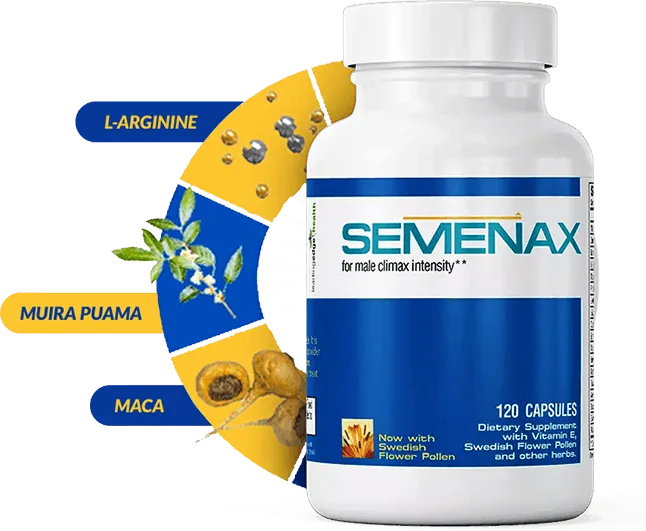
Introduction: Understanding Decrease in Ejaculate Volume
Decrease in ejaculate volume, medically known as ejaculatory anejaculation or oligospermia, affects millions of men worldwide. It can be a source of distress and anxiety, impacting an individual's overall quality of life, relationships, and reproductive health. In this overview, we will delve into the causes, symptoms, and potential treatments for decreased ejaculate volume, aiming to empower individuals with accurate information to better navigate this sensitive topic.
Defining Decrease in Ejaculate Volume:
Decrease in ejaculate volume is characterized by a diminished amount of semen released during ejaculation. This condition, in some cases, may be associated with difficulties achieving orgasm or experiencing no ejaculation at all (ejaculatory anejaculation). Decreased ejaculate volume may be a symptom of an underlying medical condition, psychological issue, or the result of certain lifestyle factors.
Causes of Decrease in Ejaculate Volume:
Research suggests a complex interplay of factors contributing to decreased ejaculate volume. Some common causes include:
1. Aging: Decreased testosterone levels and changes in seminal fluid production are linked to aging.
2. Medical conditions: Hypogonadism, diabetes, high blood pressure, and certain medications can impact semen production.
3. Lifestyle factors: Infrequent ejaculation, smoking, and excessive drinking can contribute to decreased ejaculate volume.
4. Psychological issues: Stress, anxiety, and depression may be associated with ejaculation difficulties.
5. Other conditions: Prostate issues, hormonal imbalances, and certain infections can also affect semen production.
Symptoms of Decrease in Ejaculate Volume:
The symptoms can vary from person to person but may include:
1. Diminished semen volume: Reduced amount of semen released during ejaculation.
2. Difficulty achieving orgasm: Individuals may encounter difficulties in reaching orgasm or experiencing no orgasm at all.
3. Painful ejaculation: Discomfort or pain during ejaculation.
Potential Treatments for Decrease in Ejaculate Volume:
Fortunately, there are various treatment options available, ranging from lifestyle modifications, medication, and in some cases, psychological therapy. In this section, we will explore the different approaches to address decreased ejaculate volume and promote optimal reproductive health.
What is Decrease In Ejaculate Volume?
Decrease in ejaculate volume, also known as ejaculatory volume decline, is a common condition affecting men of various ages. In this section, we will delve into the causes, symptoms, and treatment options for this condition.
Causes of Decrease in Ejaculate Volume:
1. Aging: As men age, the glands responsible for producing semen, such as the seminal vesicles and prostate gland, may shrink, leading to reduced ejaculate volume.
2. Medical Conditions: Certain medical conditions, such as hypogonadism, diabetes, and hypertension, can lead to decreased ejaculate volume.
3. Lifestyle Factors: A sedentary lifestyle, smoking, and excessive alcohol consumption may contribute to ejaculate volume decline.
4. Psychological Factors: Stress, anxiety, and depression can affect ejaculation and lead to decreased ejaculate volume.
Symptoms of Decrease in Ejaculate Volume:
1. Low Ejaculate Volume: Less than 1.5 milliliters (mL) of semen released during ejaculation.
2. Reduced Ejaculatory Frequency: Decreased frequency of ejaculation.
3. Inertility Challenges: Difficulty conceiving a child due to reduced ejaculate volume.
4. Anxiety and Stress: Anxiety and stress related to ejaculatory issues.
Treatment Options for Decrease in Ejaculate Volume:
1. Medications: Medications such as testosterone replacement therapy may be prescribed to address underlying medical conditions.
2. Lifestyle Changes: A healthy diet, regular exercise, and stress management techniques may help alleviate symptoms.
3. Counseling and Therapy: Counseling and therapy can help address psychological factors contributing to ejaculatory issues.
Consult a healthcare professional for personalized guidance and treatment for decrease in ejaculate volume. Addressing this condition may require a comprehensive approach, including medication, lifestyle changes, and counseling.
Why Choose Decrease In Ejaculate Volume?
Decrease in ejaculate volume can be a sensitive and concerning issue for men, affecting their reproductive health and quality of life. While normal ejaculate volume varies among individuals, a significant decline can be an indicator of underlying medical conditions. If you're experiencing a decrease in ejaculate volume, it's essential to understand the possible causes, symptoms, and treatment options.
What Causes Decrease in Ejaculate Volume?
Several factors can contribute to a decrease in ejaculate volume, including:
1. Aging: Normal aging process can lead to a decrease in ejaculate volume and testosterone levels.
2. Prostate Issues: Prostatitis, prostatic hyperplasia, or prostate cancer can interfere with ejaculate production.
3. Hormonal Imbalances: Low testosterone levels or an imbalance of other hormones can affect sperm production and ejaculate volume.
4. Antidepressants: Certain medications, such as antidepressants, can impact ejaculate volume.
5. Nutritional Deficiencies: Inadequate nutrition, particularly low levels of zinc and vitamin D, can affect ejaculate volume.
Why Seek Help for Decrease in Ejaculate Volume?
Early detection and treatment of underlying conditions can help address a decrease in ejaculate volume. Consult a healthcare professional to determine the cause of the issue and develop a personalized treatment plan. Treatment options may include:
1. Medications: Hormone replacement therapy or medications to address underlying conditions.
2. Lifestyle Changes: Dietary modifications, stress management, and regular exercise can help alleviate symptoms.
3. Surgery: In some cases, surgery may be necessary to treat underlying conditions affecting ejaculate volume.
Don't hesitate to seek medical attention if you're experiencing a significant decrease in ejaculate volume. Early intervention can help restore reproductive health and improve overall well-being.
Ingredients of Decrease In Ejaculate Volume
Research suggests that a decrease in ejaculate volume, medically referred to as hypospermia, is a common condition affecting men worldwide. This decrease in semen volume can stem from various factors, impacting not only fertility but also overall reproductive health. In this section, we'll delve into the possible causes and risk factors associated with the decrease in ejaculate volume.
Physical and Psychological Factors
Lifestyle factors such as stress, anxiety, and depression can contribute to a decrease in ejaculate volume. Hormonal imbalances, particularly low testosterone levels, can lead to reduced semen production. Additionally, certain health conditions, such as hypertension, diabetes, and thyroid disorders, can also be linked to this condition.
Dietary and Lifestyle Choices
A diet low in essential nutrients, specifically zinc, vitamin C, and vitamin E, can hinder semen production and contribute to decreased ejaculate volume. Limiting or avoiding ejaculations, particularly after prolonged periods of abstinence, can also lead to decreased semen volume. Lifestyle choices, such as excessive alcohol consumption, smoking, and recreational drug use, can further exacerbate this condition.
Identifying and Addressing the Issue
Early recognition and treatment of the root cause can help alleviate symptoms associated with decreased ejaculate volume. By making informed dietary and lifestyle changes, incorporating stress-reducing techniques, and addressing underlying medical conditions, individuals can work towards restoring healthy semen production. Consultation with a healthcare professional is essential for determining the best course of action.
Stay informed about the intricate factors contributing to decreased ejaculate volume, and start taking proactive steps towards maintaining a healthy reproductive system.
How Does Decrease In Ejaculate Volume Work?
Decrease in ejaculate volume, also known as oligospermia or low sperm count, is a common male fertility concern affecting millions worldwide. Characterized by a reduction in the volume of semen expelled during ejaculation, this condition can lead to difficulty conceiving and may also contribute to other reproductive issues.
Causes of Decrease in Ejaculate Volume:
- Hormonal Imbalance: An imbalance of sex hormones, particularly testosterone and follicle-stimulating hormone (FSH), can disrupt semen production and lead to decreased ejaculate volume.
- Infections and Inflammation: Epididymitis, a condition caused by inflammation of the epididymis, can result in decreased sperm production and ejaculate volume.
- Lifestyle Factors: Smoking, excessive caffeine consumption, and a diet lacking essential nutrients can negatively impact sperm quality and ejaculate volume.
- Medical Conditions: Certain conditions, such as varicocele, hypogonadism, and diabetes, can also contribute to decreased ejaculate volume.
Implications of Decrease in Ejaculate Volume:
- Low Fertility: Reduced ejaculate volume may impact the chances of conception.
- Reproductive Risks: Decreased semen volume can also lead to premature ejaculation, low libido, and difficulty achieving orgasm.
Treatment and Prevention Strategies:
- Healthy Lifestyle Changes: Quit smoking, limit caffeine intake, and maintain a balanced diet.
- Medical Assistance: Consult a specialist to address underlying medical conditions.
- Supplements and Vitamins: Certain vitamins, such as vitamin D and zinc, may help improve sperm quality.
By understanding the causes and implications of decreased ejaculate volume, individuals can take proactive steps towards addressing this concern and promoting overall reproductive health.
Real Results: Decrease in Ejaculate Volume
Decrease in ejaculate volume is a common condition in men that affects millions worldwide. It is characterized by a reduction in the amount of semen released during ejaculation. A decrease in ejaculate volume can be caused by various factors, including hormonal imbalances, nerve damage, and certain medical conditions such as varicocele or hypogonadism.
Causes and Factors:
- Age: As men age, they may experience a decline in testosterone levels, leading to decreased ejaculate volume.
- Hormonal imbalances: Low testosterone levels can affect sperm production and ejaculate volume.
- Nerve damage: Damage to the pelvic nerves can disrupt the normal functioning of the ejaculatory system.
- Medical conditions: Certain medical conditions, such as varicocele or hypogonadism, can affect testicular function and lead to decreased ejaculate volume.
Symptoms and Diagnosis:
- Decreased ejaculate volume
- Reduced libido
- Erectile dysfunction
- Male infertility
A healthcare professional can diagnose a decrease in ejaculate volume through a physical examination, medical history, and semen analysis. Semen analysis measures various parameters, including sperm count, motility, and volume.
Treatment Options:
- Hormone replacement therapy: To address hormonal imbalances
- Urological treatments: To address medical conditions causing ejaculate volume decrease
- Lifestyle modifications: To improve overall health and fertility
If you're experiencing symptoms of decreased ejaculate volume, consult a healthcare professional for proper diagnosis and treatment. Understanding the causes and consequences of this condition can help you make informed decisions about your health and well-being.
Optimize keywords: Decrease in ejaculate volume, Ejaculate volume decrease, Low ejaculate volume
Target audience: Men experiencing decreased ejaculate volume, couples facing fertility issues, and those seeking information on related health topics
Target long-tail keywords: Causes of decrease in ejaculate volume, symptoms of low ejaculate volume, treatment options for ejaculate volume decrease.
Decrease In Ejaculate Volume: Pros and Cons
Ejaculate volume is an essential aspect of male reproductive health, affecting fertility and overall well-being. A decrease in ejaculate volume, also known as reduced ejaculatory volume or oligospermia, is a condition where men experience a lower-than-normal volume of semen during ejaculation. Understanding the pros and cons of decreased ejaculate volume can help men take necessary steps towards addressing the issue.
Pros of Decreased Ejaculate Volume:
1. Reduced risk of prostate problems: Lower ejaculate volume may indicate a lower risk of prostate issues, such as benign prostatic hyperplasia (BPH) and prostate cancer.
2. Less risk of infertility: While decreased ejaculate volume can affect fertility, it may also indicate a lower risk of infertility, as the reduced volume can lead to fewer sperm, which may alleviate concerns related to fertility.
Cons of Decreased Ejaculate Volume:
1. Decreased fertility: Reduced ejaculatory volume can significantly impact fertility, making it difficult for men to conceive.
2. Increased risk of prostate problems: Decreased ejaculate volume may, in fact, be an early indicator of prostate issues, which can lead to complications if left untreated.
3. Impact on sex life: Decreased ejaculate volume can affect men's sex life, leading to feelings of anxiety and embarrassment.
Understanding the Causes of Decreased Ejaculate Volume
Factors contributing to decreased ejaculate volume include hormonal imbalances, infection, and certain medications. Identifying the underlying cause is essential for developing an effective treatment plan.
If you're concerned about your ejaculate volume, consult with a healthcare professional to discuss your options and create a personalized plan to address the issue.
Decrease in Ejaculate Volume: Causes, Symptoms, and Risks
Safety & Side Effects
Decreasing ejaculate volume can be a worrying symptom for men, and it's essential to understand the possible causes, symptoms, and potential risks associated with this condition.
Causes of Decreased Ejaculate Volume
Decreased ejaculate volume can be caused by various factors, including:
- Prostate issues, such as prostatitis or prostate surgery
- Hormonal imbalances or low testosterone levels
- Certain medications, such as selective serotonin reuptake inhibitors (SSRIs)
- Neurological disorders, such as multiple sclerosis
- Nutritional deficiencies, such as zinc or vitamin D deficiency
- Psychological factors, such as stress or anxiety
Symptoms of Decreased Ejaculate Volume
Common symptoms of decreased ejaculate volume may include:
- Reduced semen volume during ejaculation
- Decreased frequency or intensity of orgasm
- Painful or discomforting ejaculation
- Feeling of incomplete ejaculation
Risks and Complications
If left untreated, decreased ejaculate volume can lead to fertility issues, as well as increase the risk of:
- Impotence or erectile dysfunction
- Infertility
- Decreased libido
- Anxiety or depression related to sex
Treatment and Prevention
Treatment for decreased ejaculate volume depends on the underlying cause. In some cases, medications or lifestyle changes may be enough to resolve the issue. If you're experiencing decreased ejaculate volume, it's essential to consult a healthcare professional for proper diagnosis and treatment.
Where to Buy and Manage Decrease in Ejaculate Volume
Understanding Decrease in Ejaculate Volume
A decrease in ejaculate volume, medically known as oligospermia or asthenozoospermia, is a condition affecting some men, where the amount of semen produced is significantly reduced. This condition can be caused by various factors, including hormonal imbalances, genetics, age, and certain medical conditions. A decrease in ejaculate volume can lead to difficulties in conception, fertility issues, and reduced libido.
What Causes Decrease in Ejaculate Volume?
Some common causes of decreased ejaculate volume include:
* Hormonal imbalances: Low levels of testosterone and luteinizing hormone can lead to reduced semen production.
* Genetics: Family history can play a role in low ejaculatory fluid production.
* Age: As men age, their sperm count and semen volume may decrease.
Medical conditions: Certain medical conditions, such as pituitary gland tumors or thyroid disorders, can affect hormone production and lead to decreased ejaculate volume.
Where to Buy Supplements for Decreased Ejaculate Volume
If you are experiencing a decrease in ejaculate volume, there are several supplements that may help alleviate the issue. These include:
Vitamin D supplements: Maintaining adequate vitamin D levels is essential for healthy testosterone production.
* Omega-3 fatty acids: These essential fatty acids support hormone production and overall reproductive health.
* Tribulus terrestris: This herbal supplement has been traditionally used to boost libido and enhance sperm count.
Consult your doctor before taking any supplements to address decreased ejaculate volume.
Remember: A decrease in ejaculate volume is a treatable condition. Consult a healthcare professional for proper diagnosis and treatment.
Disclaimer: These statements have not been evaluated by the FDA. Consult a healthcare professional before taking any supplements.
Conclusion: Understanding Decrease in Ejaculate Volume
Decrease in ejaculate volume, also known as oligospermia or hypospermatism, can be a distressing and distressing symptom for men experiencing reproductive issues. This condition is characterized by a decrease in the volume of semen expelled during ejaculation, leading to difficulties in conceiving a child. In this comprehensive guide, we've delved into the causes, symptoms, and treatment options for decrease in ejaculate volume.
Common Causes of Decrease in Ejaculate Volume
Genetic factors, hormonal imbalances, and age-related changes are some of the primary causes of decrease in ejaculate volume. Medical conditions such as varicocele, orchitis, and prostatitis can also lead to this symptom. Additionally, certain medications, excessive heat exposure, and strenuous physical activity can contribute to hypospermatism.
Symptoms and Effects of Decrease in Ejaculate Volume
Men experiencing a decrease in ejaculate volume may exhibit low fertility, low sex drive, and emotional distress. The effects of this condition can be particularly devastating for couples struggling with infertility.
Treating Decrease in Ejaculate Volume
Fortunately, there are various treatment options available to address decrease in ejaculate volume. Lifestyle modifications, such as maintaining a healthy diet, getting regular exercise, and managing stress, can help alleviate this condition. Medical interventions, including hormone replacement therapy, varicocele repair, and fertility medications, can also be effective in increasing semen volume.
Conclusion
Decrease in ejaculate volume can be a challenging symptom to overcome, but with the right treatment plan and support, men can improve their fertility and overall reproductive health. By understanding the causes, symptoms, and treatment options for hypospermatism, individuals can take the first step towards a healthier, more fulfilling life. If you're experiencing symptoms of decrease in ejaculate volume, consult with a healthcare professional to discuss the best course of action for your unique situation.
| Name | Feature |
|---|---|
| Brand | Decrease in ejaculate volume |
| Manufacturer | Decrease in ejaculate volume Co |
| Ratings | 4.9/5 |
| FDA Approved | Yes |
| GMP Certified | Yes |
| Price | 59$ |
| Working Days | 30–90 days |
 4.8/5
Ingredients
4.8/5
Ingredients
 4.9/5
Cost
4.9/5
Cost
 4.9/5
Manufacturer
4.9/5
Manufacturer
 4.8/5
Safety
4.8/5
Safety