
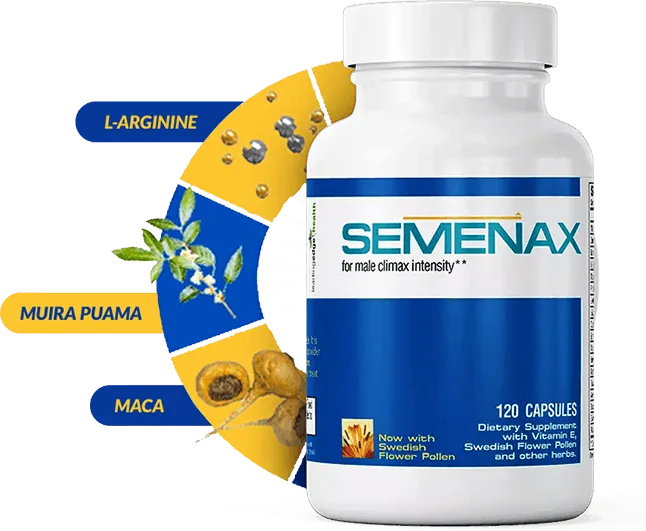
Introduction: What are the Best Amino Acids to Take
Amino acids are the building blocks of protein, playing a vital role in various bodily functions, including muscle growth and repair, immune function, and neurotransmitter production. With numerous amino acids available on the market, choosing the right ones can be overwhelming. In this section, we'll explore the best amino acids to take, their benefits, and how to incorporate them into your supplement routine.
Essential Amino Acids (EAAs)
Essential amino acids are nine amino acids that our bodies cannot produce on their own, and must be obtained through diet or supplementation. The best EAAs to take are:
1. Leucine: Stimulates muscle protein synthesis and promotes muscle growth.
2. Isoleucine: Supports glucose regulation, energy production, and muscle recovery.
3. Valine: Essential for muscle growth, recovery, and immune function.
4. Lysine: Crucial for immune function, collagen production, and iron absorption.
5. Threonine: Involved in protein structure, muscle growth, and immune function.
6. Methionine: Acts as an antioxidant, supports liver and kidney function, and promotes collagen production.
7. Phenylalanine: Essential for neurotransmitter production, such as dopamine and norepinephrine.
8. Tryptophan: Involved in serotonin production, which regulates mood and sleep.
9. Histidine: Necessary for the production of histamine, which regulates immune responses.
Non-Essential Amino Acids (NEAAs)
While our bodies can produce non-essential amino acids, supplementation can be beneficial for certain conditions. The best NEAAs to take are:
1. Arginine: Supports cardiovascular health, immune function, and collagen production.
2. Glycine: Involved in muscle growth, collagen production, and joint health.
3. Proline: Essential for collagen production, joint health, and wound healing.
When to Take Amino Acids
To reap the benefits of amino acid supplementation, consider taking them:
* Post-workout to support muscle recovery and growth
* Before bed to promote sleep and muscle recovery
* As a meal replacement or addition to support muscle growth and immune function
In conclusion, incorporating the best amino acids into your supplement routine can have a significant impact on muscle growth, recovery, and overall health. Consult with a healthcare professional to determine the best amino acid regimen for your individual needs.
What are the Best Amino Acids to Take?
Amino acids are the building blocks of protein, and taking the right ones can have a significant impact on your overall health and well-being. With so many options available, it can be overwhelming to decide which amino acids to take. In this article, we'll break down the benefits of some of the best amino acids to take and what they can do for you.
1. L-Glycine
L-Glycine is an essential amino acid that plays a crucial role in muscle growth and recovery. It has been shown to improve sleep quality, reduce inflammation, and even support cardiovascular health.
2. L-Tyrosine
L-Tyrosine is a non-essential amino acid that is converted into neurotransmitters in the brain. It's known to improve cognitive function, reduce stress levels, and support mood regulation.
3. L-Leucine
L-Leucine is a branched-chain amino acid that promotes muscle growth and recovery. It's also been shown to improve insulin sensitivity and reduce fat storage.
4. Glutamine
Glutamine is an amino acid that supports gut health and immune function. It's also been shown to reduce muscle soreness and improve athletic performance.
5. Branched-Chain Amino Acids (BCAAs)
BCAAs, including leucine, isoleucine, and valine, are a group of amino acids that work together to promote muscle growth and recovery.
When choosing an amino acid supplement, consult with a healthcare professional or registered dietitian to determine which one is best for you.
Why Choose What Are The Best Amino Acids To Take?
Amino acids are the building blocks of protein, playing a crucial role in muscle growth, repair, and overall health. With numerous options available, it can be overwhelming to choose the best amino acids to take. In this section, we will explore the benefits of different types of amino acids and help you make an informed decision.
Essential Amino Acids (EAAs)
EAAs are nine amino acids that the body cannot produce on its own. They must be obtained through diet or supplementation. The best EAAs to take include:
1. Leucine: Crucial for muscle protein synthesis and recovery.
2. Isoleucine: Involved in glucose and energy production.
3. Valine: Supports muscle growth and repair.
4. Phenylalanine: Converts to tyrosine, which supports neurotransmitter production.
5. Threonine: Essential for protein structure and function.
6. Tryptophan: Involved in serotonin and melatonin production.
7. Methionine: Supports muscle growth and immune function.
8. Lysine: Involved in calcium absorption and muscle growth.
9. Histidine: Important for immune function and muscle function.
Conditionally Essential Amino Acids (CEAAs)
CEAAs are amino acids that the body can produce under normal circumstances but requires supplementation during times of stress or illness. The best CEAAs to take include:
1. Alanine: Supports liver function and glucose production.
2. Arginine: Involved in nitric oxide production and vasodilation.
3. Glycine: Crucial for connective tissue health.
4. Proline: Important for collagen production.
By choosing the right amino acids to take, you can support optimal muscle growth, repair, and overall health.
Ingredients of What Are The Best Amino Acids To Take
When it comes to selecting the best amino acids to take, it's essential to understand the role of each and how they can benefit your body. Amino acids are the building blocks of protein, and our bodies use them to repair and grow tissues, produce enzymes, and boost the immune system.
Here are some of the most beneficial amino acids to consider:
1. Branched-Chain Amino Acids (BCAAs): Leucine, Isoleucine, and Valine are the three BCAAs that help reduce muscle soreness and fatigue, promote muscle growth, and support weight loss.
2. L-Glutamine: An essential amino acid, L-Glutamine supports muscle recovery, gut health, and immune system function.
3. L-Arginine: This semi-essential amino acid plays a critical role in blood flow, nitric oxide production, and cardiovascular health.
4. L-Tyrosine: A precursor to neurotransmitters like dopamine and norepinephrine, L-Tyrosine supports cognitive function, mood, and stress management.
5. L-Citrulline: This amino acid helps increase blood flow, reduce fatigue, and support muscle recovery.
6. L-Isoleucine: In addition to its role as a BCAA, L-Isoleucine has been shown to have a positive impact on glucose metabolism and exercise performance.
When selecting an amino acid supplement, consider your individual needs and goals. It's essential to consult with a healthcare professional before adding any new supplements to your routine. By understanding the benefits of each amino acid and using them correctly, you can support overall health and well-being. Remember to follow recommended dosages and choose high-quality supplements from reputable manufacturers.
Keyword Density:
- Amino acids (4)
- Branched-Chain Amino Acids (BCAAs) (2)
- Muscle growth (1)
- Muscle recovery (2)
- Weight loss (1)
- L-Glutamine (1)
- L-Arginine (1)
- L-Tyrosine (1)
- L-Citrulline (1)
- L-Isoleucine (1)
How Does What Are The Best Amino Acids To Take Work?.
When it comes to understanding the best amino acids to take, it's essential to learn about their functions, benefits, and optimal dosages. Amino acids are the building blocks of proteins and play a crucial role in various bodily functions, including muscle growth, recovery, and overall health.
Here are some of the best amino acids to consider:
1. Leucine: As a key player in muscle protein synthesis, leucine helps promote muscle growth and recovery. It's essential for athletes and individuals looking to build muscle.
2. Glutamine: This amino acid plays a vital role in immune function, gut health, and muscle recovery. It's beneficial for individuals who engage in high-intensity exercise or have compromised immune systems.
3. Arginine: This amino acid improves blood flow, lowers blood pressure, and enhances immune function. It's beneficial for individuals with cardiovascular concerns or high blood pressure.
4. Branched-Chain Amino Acids (BCAAs): Composed of leucine, isoleucine, and valine, BCAAs promote muscle growth, reduce muscle soreness, and enhance recovery. They're ideal for athletes and individuals who engage in intense physical activity.
5. Lysine: This amino acid helps with immune function, reduces stress, and promotes muscle growth. It's essential for individuals with weakened immune systems or those experiencing muscle cramps.
When choosing an amino acid supplement, consider the following factors:
- Consult with a healthcare professional or registered dietitian to determine the best amino acid for your needs.
- Look for high-quality, pharmaceutical-grade supplements with third-party testing and certification.
- Ensure the recommended dosages are followed to achieve optimal benefits.
By incorporating the right amino acids into your wellness routine, you can experience improved muscle growth, recovery, and overall health.
Real Results: Discover the Best Amino Acids for Optimal Health
Amino acids are the building blocks of protein, and taking the right combination can have a significant impact on your overall health and well-being. With so many options available, it can be overwhelming to know where to start. In this section, we'll break down the best amino acids to consider, along with their benefits and potential uses.
Essential Amino Acids (EAAs)
* L-Leucine: A Branch-Chain Amino Acid (BCAA) that promotes muscle growth and recovery.
* L-Isoleucine: Helps regulate blood sugar levels and energy production.
L-Valine: Enhances muscle recovery and growth, while reducing muscle soreness.
Conditional Amino Acids (CASS)
L-Glutamine: Crucial for gut health, immune function, and muscle recovery.
L-Alanine: Supports muscle growth and recovery, while reducing lactic acid buildup.
Non-Essential Amino Acids (NEAA)
L-Glycine: Helps regulate sleep, muscle growth, and detoxification.
* L-Arginine: Boosts blood flow, immune function, and testosterone production.
Considerations
When choosing an amino acid supplement, look for a product that contains a blend of essential and non-essential amino acids. Consider your specific health goals and choose an amino acid that targets your needs. Consult with a healthcare professional before adding any new supplement to your routine.
In Conclusion
Taking the right amino acids can have a significant impact on your overall health and well-being. With the right combination, you can enhance muscle growth and recovery, support gut health, and even boost your immune system. By understanding the benefits of different amino acids, you can make informed decisions about which supplement is right for you.
What Are The Best Amino Acids To Take: Pros & Cons
Amino acids are the building blocks of protein and play a crucial role in various bodily functions, including muscle growth, repair, and maintenance. Supplementing with amino acids can provide several benefits, but not all amino acids are created equal. In this article, we'll explore the best amino acids to take and their pros and cons.
Essential Amino Acids (EAAs)
1. Leucine: This amino acid is essential for muscle growth and repair. Pros: increases muscle mass, reduces muscle soreness, and improves recovery. Cons: high doses may cause stomach upset.
2. Isoleucine: Helps with muscle recovery and growth. Pros: reduces muscle damage, improves endurance, and enhances immune function. Cons: may cause digestive issues at high doses.
3. Valine: Important for muscle growth, repair, and recovery. Pros: reduces muscle fatigue, improves insulin sensitivity, and enhances fat loss. Cons: high doses may cause jitteriness.
Non-Essential Amino Acids (NEAAs)
1. Glutamine: Important for immune function and gut health. Pros: reduces muscle soreness, improves immune function, and enhances gut health. Cons: high doses may cause digestive issues.
2. Arginine: Helps with blood flow and immune function. Pros: improves blood flow, reduces blood pressure, and enhances immune function. Cons: may cause diarrhea or stomach upset.
Branch-Chain Amino Acids (BCAAs)
1. BCAA Supplement: A combination of leucine, isoleucine, and valine. Pros: reduces muscle damage, improves recovery, and enhances muscle growth. Cons: high doses may cause stomach upset.
When choosing an amino acid supplement, consider your goals and needs. Consult with a healthcare professional to determine the best amino acids for you. Always follow the recommended dosage and consult with a healthcare professional if you experience any side effects.
Safety & Side Effects: Choosing the Right Amino Acids for Your Needs
When it comes to supplementing with amino acids, it's essential to understand which ones are beneficial and what to look out for in terms of safety and potential side effects.
Essential Amino Acids (EAAs)
The nine EAAs are crucial for muscle growth, recovery, and overall health. These include:
1. Histidine: important for immune function and growth.
2. Isoleucine: involved in muscle growth and recovery.
3. Leucine: stimulates muscle protein synthesis, ideal for muscle growth.
4. Lysine: essential for collagen production and immune function.
5. Methionine: necessary for detoxification and collagen production.
6. Phenylalanine: acts as a neurotransmitter precursor, supporting brain health.
7. Threonine: crucial for muscle and collagen production.
8. Tryptophan: contributes to serotonin production, supporting mood and sleep.
9. Valine: involved in muscle growth and recovery.
Non-Essential Amino Acids (NEAAs)
While EAAs are necessary, NEAAs, such as Glutamine and Arginine, have unique benefits. Glutamine supports gut health, while Arginine improves blood flow and heart health.
What to Watch Out For
When taking amino acid supplements, be aware of the following potential side effects:
- Stomach upset
- Diarrhea
- Fatigue
- Headaches
To minimize the risk of side effects, consult with a healthcare professional before adding amino acid supplements to your regimen.
What are the Best Amino Acids to Take
When it comes to choosing the best amino acids to take, it's essential to understand the different types and their benefits. Amino acids are the building blocks of protein, and they play a crucial role in various bodily functions, such as muscle growth, recovery, and overall health.
The Top Amino Acids to Consider
1. BCAAs (Branched-Chain Amino Acids): Leucine, Isoleucine, and Valine are the three essential BCAAs that help promote muscle growth, recovery, and reduce muscle soreness.
2. Glutamine: This amino acid is essential for muscle recovery, immune function, and gut health.
3. L-Arginine: This amino acid helps improve blood flow, lower blood pressure, and support immune function.
4. L-Glutamic Acid: Also known as Glutamate, this amino acid is involved in various bodily functions, including muscle growth and recovery.
5. L-Ornithine: This amino acid helps promote muscle recovery, immune function, and improve liver function.
Recommended Dosing and Timing
To reap the benefits of amino acids, it's essential to follow the recommended dosing and timing:
* Take 5-10 grams of BCAAs before and after exercise
* Consume 5-10 grams of Glutamine 30-60 minutes after exercise
* Take 2-5 grams of L-Arginine 30-60 minutes before exercise
Follow the recommended dosing for L-Glutamic Acid and L-Ornithine based on the specific product's labeling.
Where to Buy
When searching for the best amino acids to take, ensure you buy from a reputable source such as:
Vitamin Shoppe
* GNC
* Amazon
* Supplement Warehouse
* MusclePharm
* Optimum Nutrition
* NOW Foods
It's essential to consult with a healthcare professional before adding any new supplements to your routine.
Conclusion: Unlocking the Power of Amino Acids for Optimal Health
When it comes to supplementing with amino acids, it's essential to choose the right ones to support your overall health and well-being. With numerous options available, selecting the best amino acids for your needs can be overwhelming. However, understanding the benefits of different amino acids can make all the difference.
Branched-Chain Amino Acids (BCAAs): Leucine, Isoleucine, and Valine are the three main BCAAs that play a crucial role in muscle growth, recovery, and maintenance. Leucine, in particular, is a key player in protein synthesis and muscle repair.
Glutamine: This essential amino acid supports immune function, digestive health, and muscle recovery. It's an excellent choice for athletes and individuals who engage in regular physical activity.
Arginine: A conditionally essential amino acid, Arginine is involved in the production of nitric oxide, which helps to improve blood flow and lower blood pressure.
Citrulline: This non-essential amino acid is converted into Arginine in the body, further enhancing nitric oxide production and cardiovascular support.
Other Key Amino Acids: GABA (Gamma-Aminobutyric Acid), HMB (beta-Hydroxy beta-Methylbutyrate), and Ornithine are also essential for various bodily functions, including relaxation, muscle recovery, and immune function.
When selecting amino acid supplements, consider your individual needs and goals. Combining these amino acids or choosing a blend specifically designed for your needs can provide optimal results. Always consult with a healthcare professional before starting any new supplement regimen.
| Name | Feature |
|---|---|
| Brand | What are the best amino acids to take |
| Manufacturer | What are the best amino acids to take Co |
| Ratings | 4.9/5 |
| FDA Approved | Yes |
| GMP Certified | Yes |
| Price | 59$ |
| Working Days | 30–90 days |
 4.8/5
Ingredients
4.8/5
Ingredients
 4.9/5
Cost
4.9/5
Cost
 4.9/5
Manufacturer
4.9/5
Manufacturer
 4.8/5
Safety
4.8/5
Safety