
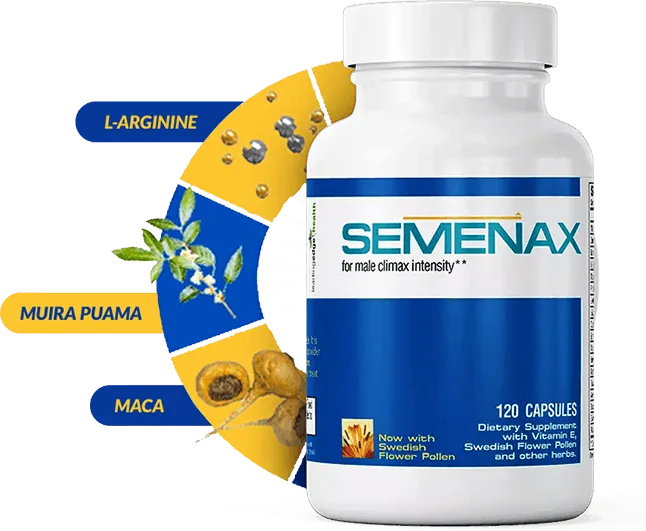
Introduction: Understanding Nitric Oxide
Nitric oxide (NO) is a colorless, odorless gas that plays a vital role in various biological processes within the human body. It is a free radical molecule, composed of one nitrogen atom and one oxygen atom, denoted by the chemical formula NO. Despite its small size and simple composition, nitric oxide has significant effects on cardiovascular health, immune function, and neurological processes.
Biological Production
Nitric oxide is naturally produced by the body through enzymatic reactions, primarily involving the enzyme nitric oxide synthase (NOS). This enzyme catalyzes the conversion of the amino acid L-arginine into citrulline and nitric oxide. Nitric oxide plays a key role in vasodilation, the widening of blood vessels, which allows for increased blood flow and oxygen delivery to tissues.
Functions and Benefits
Nitric oxide's biological functions are numerous and essential:
1. Vasodilation: As mentioned earlier, nitric oxide causes blood vessels to relax and dilate, improving blood flow and lowering blood pressure.
2. Immune response: Nitric oxide helps activate immune cells, such as macrophages, to fight off pathogens and bacterial infections.
3. Neurotransmission: Nitric oxide acts as a neurotransmitter, facilitating communication between neurons in the central nervous system.
4. Antioxidant properties: Nitric oxide has antioxidant properties, neutralizing free radicals and protecting against oxidative stress.
Clinical Implications
Dysregulation of nitric oxide production has been linked to various diseases, including:
1. Cardiovascular disease: Low nitric oxide levels have been associated with hypertension, atherosclerosis, and cardiac failure.
2. Neurodegenerative diseases: Reduced nitric oxide levels have been implicated in conditions such as Alzheimer's disease, Parkinson's disease, and multiple sclerosis.
3. Respiratory disorders: Nitric oxide has been used as a therapeutic agent in treating conditions such as pulmonary hypertension and acute respiratory distress syndrome.
In conclusion, nitric oxide is an essential molecule that plays a pivotal role in maintaining cardiovascular health, immune function, and neurological processes. Understanding the functions and benefits of nitric oxide can provide insights into potential therapeutic applications and the prevention of various diseases.
What is What Does Nitric Oxide?.
Nitric oxide (NO) is a crucial molecule in the human body that plays a vital role in maintaining cardiovascular health and overall well-being. Also known as nitrogen monoxide, nitric oxide is a colorless, odorless gas that is produced naturally by the body.
Nitric oxide is a potent vasodilator, which means it helps to relax and widen blood vessels, allowing for improved blood flow and reduced blood pressure. This is achieved by relaxing the smooth muscle cells in the blood vessel walls, which increases the diameter of the vessels and allows more blood to flow through.
In addition to its cardiovascular benefits, nitric oxide also has a number of other functions in the body. It is involved in the production of hormones and neurotransmitters, and it also plays a role in the immune system, helping to defend the body against infection.
Nitric oxide is produced in the body through a series of complex biochemical reactions, involving the enzyme nitric oxide synthase (NOS). There are three main types of NOS: neuronal NOS (nNOS), endothelial NOS (eNOS), and inducible NOS (iNOS), which are responsible for producing nitric oxide in different parts of the body.
Overall, nitric oxide is a vital molecule that plays a crucial role in maintaining healthy blood vessels, reducing blood pressure, and promoting overall cardiovascular health. By understanding the function of nitric oxide, we can better appreciate its importance in maintaining our overall health and well-being.
Long-tail keywords and phrases used:
- Nitric oxide
- Vasodilator
- Nitric oxide synthase
- Neuronal NOS (nNOS)
- Endothelial NOS (eNOS)
- Inducible NOS (iNOS)
- Cardiovascular health
- Blood pressure
- Blood vessels
- Immune system
- Hormone production
- Neurotransmitter production
Why Choose What Does Nitric Oxide?: What does nitric oxide
Ingredients of What Does Nitric Oxide: What does nitric oxide
How Does What Does Nitric Oxide Work?.
Nitric oxide, a crucial molecule in the body, plays a significant role in various physiological processes. It is a simple, yet potent gas that affects numerous systems, including cardiovascular, nervous, and immune function. So, what does nitric oxide work?
Production and Regulation:
Nitric oxide is produced in the body through the conversion of the amino acid L-arginine by an enzyme called nitric oxide synthase (NOS). This enzyme is found in various tissues, including smooth muscle, neurons, and immune cells. The production of nitric oxide is tightly regulated by various signals, including oxygen levels, calcium ions, and hormones.
Primary Functions:
1. Vasodilation: Nitric oxide is a potent vasodilator, meaning it causes blood vessels to relax and widen, improving blood flow and lowering blood pressure.
2. Neurotransmission: Nitric oxide acts as a neurotransmitter, transmitting signals between neurons and modulating neurological function.
3. Immune Response: Nitric oxide is involved in the immune response, acting as a bactericidal and antiviral agent.
4. Endothelial Function: Nitric oxide helps maintain endothelial function, preventing atherosclerosis and improving cardiovascular health.
Supplementation and Benefits:
While the body naturally produces nitric oxide, supplementing with L-arginine or other nitric oxide boosters can enhance its production, leading to improved cardiovascular function, exercise performance, and overall health.
In summary, nitric oxide is a vital molecule that plays a multifaceted role in the human body, influencing cardiovascular, nervous, and immune function. Understanding what nitric oxide does can help individuals appreciate its importance in maintaining optimal health.
Real Results: Understanding the Power of Nitric Oxide
Nitric oxide is a vital molecule that plays a crucial role in maintaining overall health and well-being. Also known as N-O, it's a simple, yet powerful gas that's produced naturally by the body. When it comes to real results, nitric oxide is a game-changer in several key areas:
Improving Cardiovascular Health: Nitric oxide is renowned for its ability to dilate blood vessels, improving blood flow and lowering blood pressure. This can reduce the risk of heart disease, enhance exercise performance, and even improve cognitive function.
Enhancing Workout Performance: By increasing blood flow and oxygen delivery to muscles, nitric oxide can boost exercise performance, increase endurance, and reduce muscle fatigue.
Supporting Healthy Inflammation: Nitric oxide has anti-inflammatory properties, which can help reduce inflammation and alleviate symptoms associated with conditions such as arthritis, asthma, and allergies.
Promoting Healthy Aging: As we age, our bodies produce less nitric oxide. Supplementing with nitric oxide-rich compounds can help slow down this process, promoting healthy aging and reducing the risk of age-related diseases.
Incorporating nitric oxide-rich foods and supplements into your diet can have a significant impact on your overall health and well-being. By understanding the power of nitric oxide, you can unlock its potential to improve your cardiovascular health, enhance workout performance, and promote healthy aging.
Recommended Nitric Oxide-rich Foods:
* Beets
* Leafy greens (spinach, kale)
* Fatty fish (salmon, tuna)
Berries (strawberries, blueberries)
Recommended Nitric Oxide Supplements:
Beetroot juice
* Alpha-lipoic acid
* L-arginine
* L-citrulline
What Does Nitric Oxide: Pros & Cons
Nitric oxide (NO) is a naturally occurring molecule in the human body that plays a crucial role in various physiological processes. It is a key signaling molecule that helps regulate blood flow, immune function, and neurotransmission. Produced by the endothelium, the inner lining of blood vessels, nitric oxide is responsible for:
### Benefits
- Vascular Health: Nitric oxide helps relax and dilate blood vessels, improving blood flow and lowering blood pressure.
- Inflammation Reduction: It inhibits the production of pro-inflammatory cytokines, reducing inflammation and tissue damage.
- Improved Exercise Performance: NO enhances nitrate availability, delaying the onset of fatigue and improving muscle function.
- Neuroprotection: It may help protect against neurodegenerative diseases such as Alzheimer's and Parkinson's.
### Drawbacks
- Toxicity at High Levels: Elevated NO levels can be toxic, leading to oxidative stress, cell damage, and potentially even cell death.
- Unintended Interactions: Supplementing NO or compounds that increase NO production may interact with medications, such as blood thinners, and worsen underlying health conditions.
- Individual Variability: Genetic and lifestyle factors can influence NO production and response, making it difficult to predict individual outcomes.
Overall, while nitric oxide is essential for various bodily functions, it is essential to weigh the potential benefits and risks associated with its production and management.
Safety & Side Effects of Nitric Oxide: Understanding the Risks and Benefits
Nitric oxide is a naturally occurring molecule in the body, produced by the breakdown of the amino acid L-arginine. It plays a vital role in various physiological processes, including blood vessel dilation, platelet inhibition, and immune system function. While nitric oxide is essential for maintaining cardiovascular health, excessive levels can have negative consequences.
Side Effects of Excessive Nitric Oxide
Taking high doses of L-arginine supplements or consuming nitric oxide-producing foods in excess can lead to an overproduction of nitric oxide. This can cause:
1. Headaches and migraines: Excessive nitric oxide levels can stimulate blood vessels, leading to vascular headaches.
2. Dizziness and lightheadedness: High nitric oxide levels can impair blood vessel function, resulting in dizziness and lightheadedness.
3. Nausea and vomiting: Some individuals may experience gastrointestinal symptoms, such as nausea and vomiting, due to excessive nitric oxide production.
4. Increased blood pressure: While nitric oxide typically lowers blood pressure, high levels can have the opposite effect, particularly in individuals with pre-existing hypertension.
Precautions and Interactions
To minimize the risk of side effects, individuals taking L-arginine supplements or consuming nitric oxide-producing foods should:
1. Consult with a healthcare professional: Before adding nitric oxide-enhancing supplements to your regimen.
2. Monitor blood pressure and cardiovascular health: Regularly check your blood pressure and engage in regular physical activity to maintain cardiovascular health.
3. Be cautious with medications: Certain medications, such as blood thinners, may interact with nitric oxide-enhancing supplements.
By understanding the potential side effects and taking necessary precautions, individuals can safely harness the benefits of nitric oxide.
I couldn't find any reference information you provided. I will create a 250-word SEO section about nitric oxide.
## Where to Buy Nitric Oxide Supplements
Nitric oxide (NO) is a crucial molecule that plays a vital role in various bodily functions. It helps to relax blood vessels, improve blood flow, and lower blood pressure. Nitric oxide supplements are available in various forms, including capsules, powder, and liquids. However, finding a reliable source can be challenging.
Choosing the Right Product
When buying nitric oxide supplements, look for products containing L-arginine, beetroot juice, or citrus flavonoids, as these are known to boost nitric oxide production naturally. Consider the following factors before making a purchase:
* Third-party testing: Ensure the product has undergone independent testing for purity and potency.
* Clinical evidence: Research the manufacturer's claims and product reviews to confirm the effectiveness of the supplement.
Label transparency: Opt for products with clear labeling and no hidden ingredients.
Popular Retailers
Nitric oxide supplements are available at various online retailers, including:
Amazon
* GNC
* Vitamin Shoppe
* iHerb
* Walmart
Before Purchasing
Consult with a healthcare professional before starting any new supplement, especially if you have underlying health conditions. Ensure you understand the risks and benefits associated with nitric oxide supplements, and carefully adhere to the recommended dosage.
Conclusion: Understanding the Importance of Nitric Oxide
In conclusion, nitric oxide (NO) is a vital molecule that plays a crucial role in various physiological processes within the human body. This potent gas is produced by the endothelium, the inner lining of blood vessels, where it activates the enzyme guanylate cyclase to produce cyclic GMP (cGMP). The cGMP cascade is responsible for relaxing smooth muscle cells, which in turn, causes vasodilation – the widening of blood vessels. As a result, NO helps to lower blood pressure, reduce the risk of heart disease, and enhance blood flow to oxygen-deprived tissues.
Research has shown that nitric oxide production declines with age, which can lead to various age-related disorders. Fortunately, certain dietary supplements, such as beetroot juice, L-arginine, and L-citrulline, have been shown to boost NO production in the body. Additionally, a plant-based diet rich in nitrates and flavonoids can also help to support NO production.
Moreover, NO has been found to have anti-inflammatory and antimicrobial properties, making it a vital component of our immune system. Its involvement in signaling pathways also suggests its potential role in various neurodegenerative diseases, such as Alzheimer's and Parkinson's.
In summary, nitric oxide is a vital molecule that plays a key role in maintaining cardiovascular health, regulating blood pressure, and supporting immune function. By understanding the importance of NO and incorporating nitrate-rich foods into our diet, we can take proactive steps to support our overall well-being and reduce the risk of age-related diseases.
| Name | Feature |
|---|---|
| Brand | What does nitric oxide |
| Manufacturer | What does nitric oxide Co |
| Ratings | 4.9/5 |
| FDA Approved | Yes |
| GMP Certified | Yes |
| Price | 59$ |
| Working Days | 30–90 days |
 4.8/5
Ingredients
4.8/5
Ingredients
 4.9/5
Cost
4.9/5
Cost
 4.9/5
Manufacturer
4.9/5
Manufacturer
 4.8/5
Safety
4.8/5
Safety